
Which advent calendar? Toy, reusable, fill-your-own and adult calendars compared

Quick answer: Choose by who will open it and what each door should give. Toy and building block calendars suit children who like to collect; jigsaw and craft calendars give a small daily activity; beauty, jewellery and hobby calendars treat a grown-up; and a reusable calendar that you fill yourself comes out again every year.
Last updated: 23 November 2026
An advent calendar is one of the few Christmas presents that gets opened a little at a time, usually over twenty-four days. That makes the choice matter more than the price tag suggests: the right one is a small daily pleasure through December, while the wrong one is either outgrown by the second week or left half-opened on a shelf. This guide sorts the main types by what sits behind the doors and who each one suits, then covers age guidance, reusable calendars and what to do if yours turns up after the first of the month.
What the calendar is counting down
Advent itself is older than the calendars. According to the Church of England, Advent marks the beginning of the church year, and over time it settled into the four Sundays before Christmas Day, which puts Advent Sunday on 29 November in 2026. Most calendars ignore that moving date and simply run from 1 December, so the last door falls on Christmas Eve.
The printed calendar with doors is a younger idea. An article on history.co.uk names the German publisher Gerhard Lang as one strong contender for its inventor: he went on to make his own calendars in 1908 with his business partner, Reichhold, and introduced little pictures hidden behind closed doors. Everything else, from tiny toys to jigsaw pieces, has grown out of that simple countdown.
In our range most calendars have 24 doors, some have a 25th for Christmas Day and a few are 12-day countdowns. The number is stated on each product page, so check it before you buy if a full run matters to you.
The main types compared
| Type | Behind the doors | Who it suits |
|---|---|---|
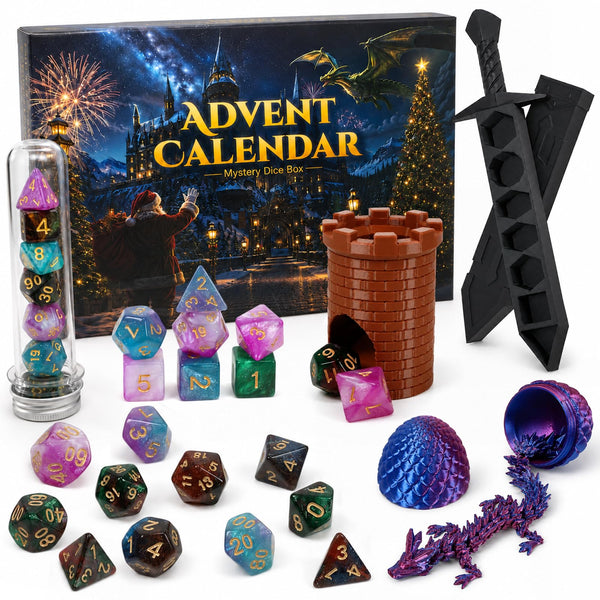
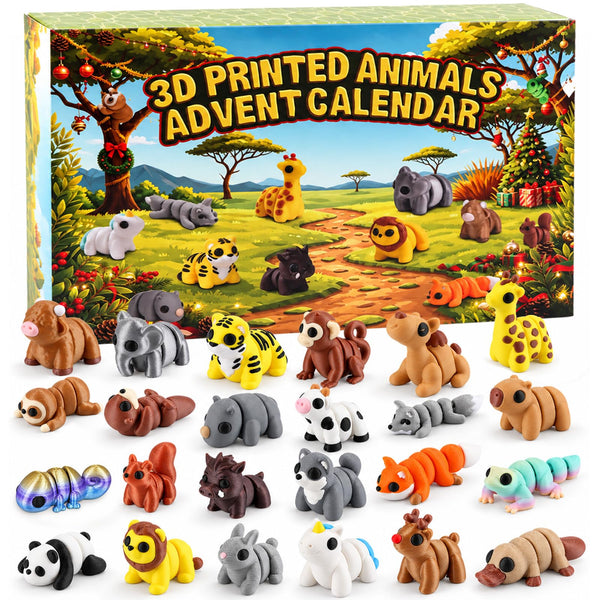
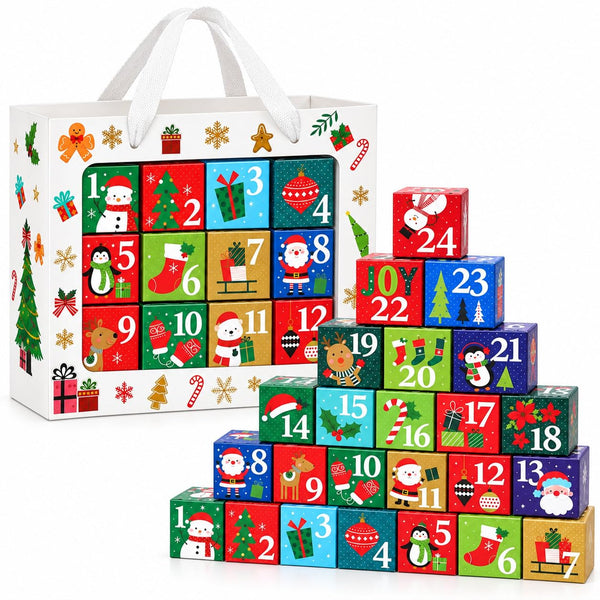
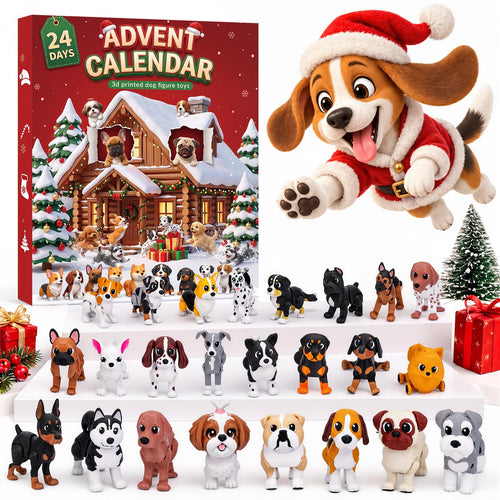
| Toy and figure | A small toy or figure each day, often building up a themed scene | Younger children who like to collect and play as they go |
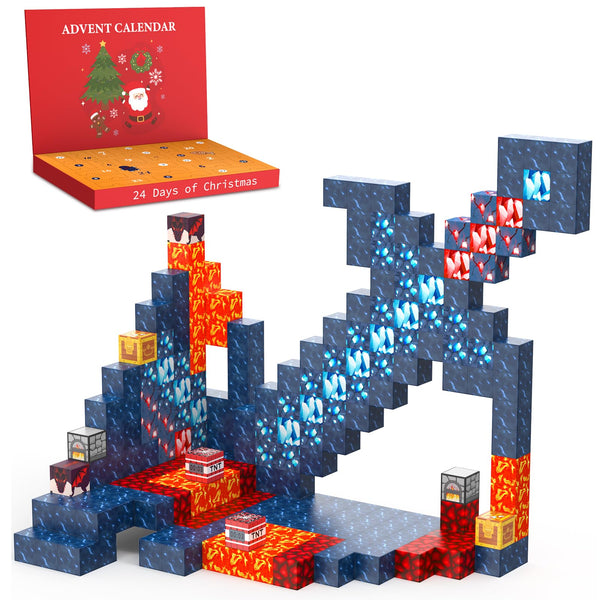
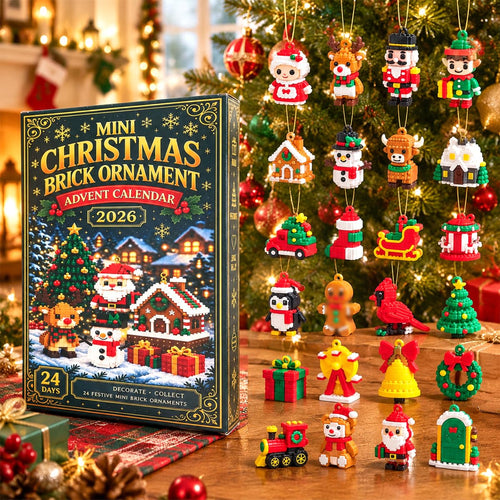
| Building block | A small build each day from interlocking bricks | Children who enjoy construction; check the age range closely |
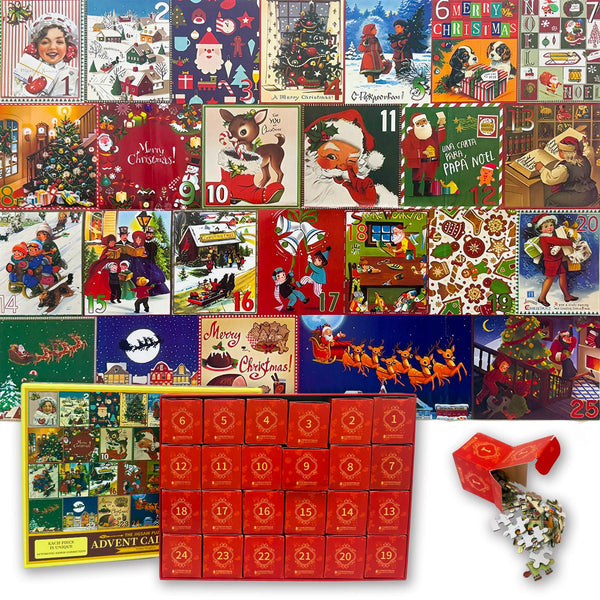
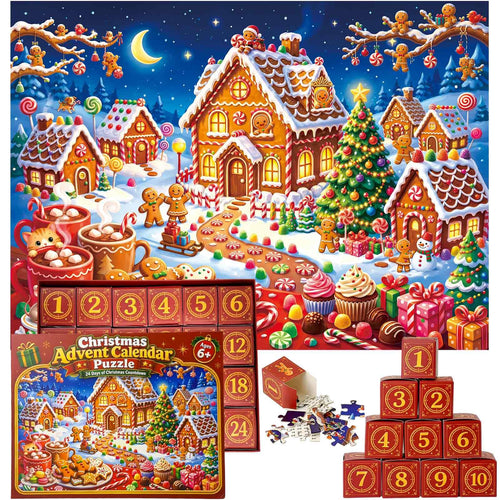
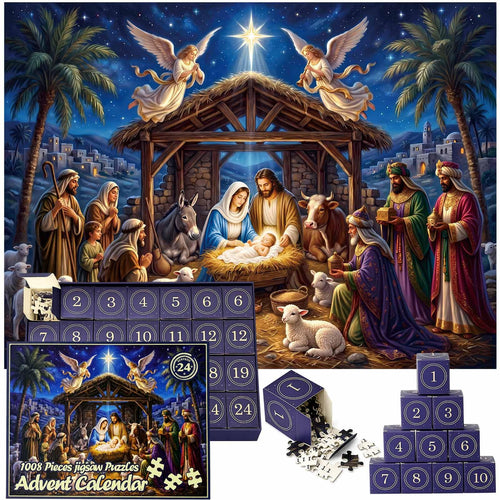
| Jigsaw | A bag of pieces or a mini puzzle each day | Puzzlers of any age; some build one large picture by Christmas Eve |
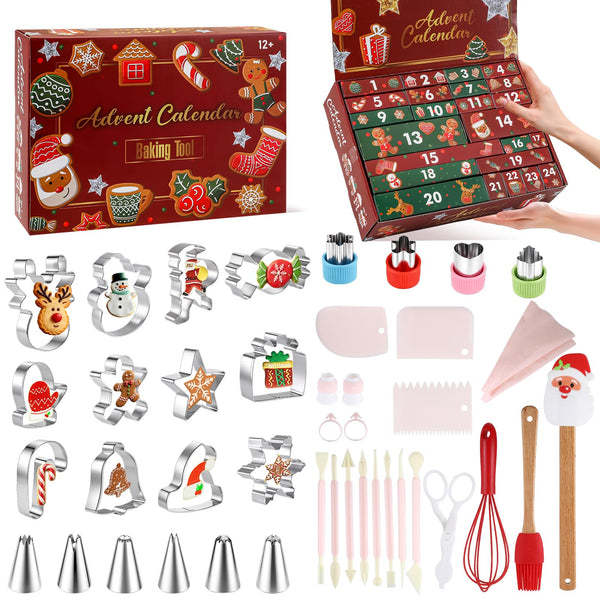
| Craft | A small make-and-do project each day | Children who like a daily activity rather than a toy |
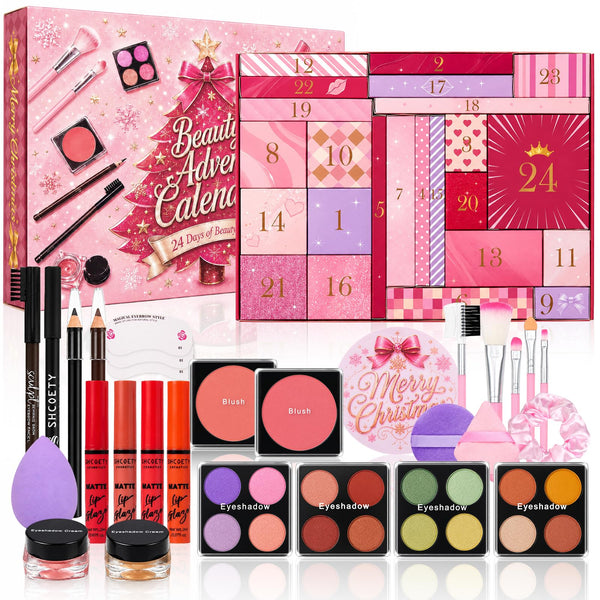
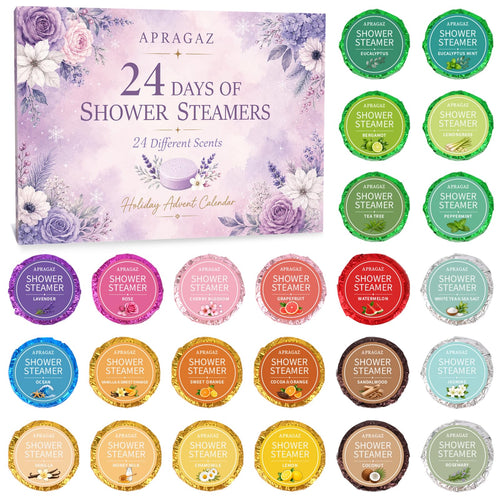
| Beauty and jewellery | Minis, accessories or jewellery pieces | Teenagers and adults |
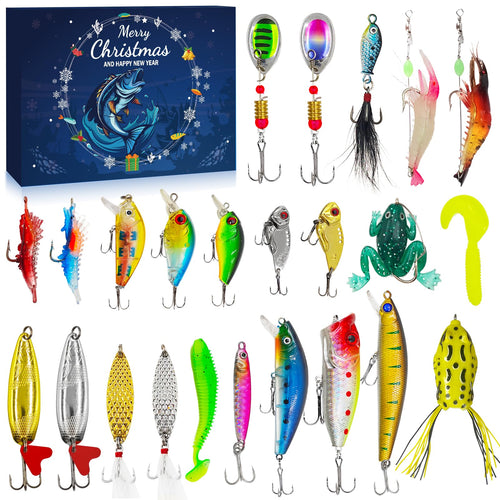
| Other adult themes | Hobbies such as fishing, sport or crystals | Grown-ups with a particular interest |
| Nativity | Figures or scenes that tell the Christmas story | Families who want the religious meaning at the centre |
| Reusable | Empty pockets, drawers or boxes that you fill | Anyone; it comes out again each year |
A guide to the general types. Contents, sizes and the number of doors vary, and are listed on each product page.
You will find all of these in our advent calendar collection. For children, start with toy advent calendars, building block calendars and jigsaw puzzle calendars. If you would sooner give a daily activity than another toy, craft advent calendars fill December with small projects.
Choosing a calendar for a child
Age is the first filter, not the theme. Recommended ages are stated on each product page, and the calendar itself will carry any age warning the maker has given. The GOV.UK guidance for the Toys (Safety) Regulations 2011 explains that hazard information must be marked in English and preceded by the word "Warning" or "Warnings", and that toys must take into account the abilities of the children using them, in particular children under 36 months.
- Read the age range as a minimum. A calendar labelled for older children usually contains small pieces, even when the theme looks young.
- Think about the whole household. If a toddler shares the house with an older sibling, the pieces from the older child's calendar need putting away after play each day.
- Match the daily effort. A five-year-old will enjoy a figure they can play with at once; an eight-year-old may prefer a build or a jigsaw that grows through the month.
RoSPA advises buying children's gifts for the correct age group and from reputable retailers, and looking out for small items that could pose a choking hazard to young children, such as button batteries. If a calendar contains anything with a battery, check how the battery compartment closes before it goes to a young child.
Reusable and fill-your-own calendars
A reusable advent calendar is the one to choose if you want the same calendar to become part of the family Christmas. They come as fabric pockets to hang on a wall, wooden houses and drawers that stand on a shelf, and sets of paper boxes. Calderdale Council's recycling advice suggests considering reusable calendars and placing your own gifts in each door, and notes that a calendar made from a card sleeve and a plastic inner tray goes two ways: the card into recycling and the plastic into general waste. Local rules differ, so check with your own council.
Filling one need not be expensive. A note with a small challenge, a joke, a festive activity for the day or a single sweet works perfectly well, and you can mix in a few bigger surprises on weekends. Our stocking filler ideas include multipacks that can be split across several doors.
Calendars for grown-ups
Advent calendars for adults cover hobbies, puzzles and pastimes, and beauty and jewellery advent calendars suit teenagers and adults. For a calendar that keeps giving after December, consider one where each door holds a small tree decoration, so the tree fills up as Christmas approaches; our guide on how to decorate a Christmas tree explains where the special pieces look their finest.
If you want to mark Advent itself rather than December, nativity advent calendars tell the Christmas story day by day, and advent candles and wreaths follow the four Sundays. The Church of England describes the Advent wreath as usually a circle of greenery with five candles rising from it. If you choose a real-flame candle, follow the instructions and warnings supplied with it.
If your calendar arrives after 1 December
We take 1–2 working days to prepare an order, and delivery to most UK addresses then takes 3–5 working days. That means a calendar ordered towards the end of November may well arrive after 1 December. Nothing is lost when it does. Open the missed doors together on the day it comes, or let children open two a day until they have caught up. A reusable calendar can be filled and started on whatever date suits you.
A quick way to choose
- Who opens it? Decide on the person first, then their age; where the maker gives a recommended age, it is shown on the product page, so check it and the packaging before you choose.
- What should each door give? Something to keep, something to do, something to build up, or a small treat.
- How many doors? Most have 24; a few have 25 or count down 12 days.
- Where will it live? Wall-hung, shelf-standing or flat on a table; measure the space for larger wooden or fabric designs.
- Once, or every year? A filled calendar is ready to go; a reusable one becomes a tradition.
For one complete place to browse, our stockings and advent calendars department brings calendars together with stockings and countdown decorations.
Common questions
When should you start an advent calendar?
Most calendars start on 1 December, so the last door opens on Christmas Eve, or on Christmas Day if there is a 25th. Advent itself begins four Sundays before Christmas Day, which in 2026 is 29 November, and some families start a reusable calendar then instead.
What if the advent calendar arrives late?
Simply open the missed doors on the day it arrives, or open two a day until you catch up. Nothing in a calendar spoils by waiting a few days, and a reusable calendar can be started on any date you like.
Are toy advent calendars suitable for toddlers?
Only if the product page and packaging say they are. Many toy and building block calendars contain small pieces and are labelled for older children. If the calendar is for a child under three, read the recommended age on its product page before you choose.
What can I put in a reusable advent calendar?
Small notes with a festive activity or a joke, single sweets, tiny tree decorations, hair accessories, stickers or puzzle pieces all fit. Mix small daily surprises with one or two bigger ones at weekends. Reusable advent calendars come with pockets, drawers or boxes in different sizes.
Shop the guide
- Advent Calendars
- Toy Advent Calendars for Kids
- Building Block Advent Calendars
- Jigsaw & Puzzle Advent Calendars
- Craft & Jewellery-Making Advent Calendars
- Wooden & Fill-Your-Own Advent Calendars
UK delivery is free on every order, and so are returns within 30 days. See Christmas delivery dates and Returns & refunds for the details.
This guide is general information, not professional advice. Follow the instructions and warnings supplied with each item, and check its product page for age guidance, materials and power type.