
Choosing a Christmas colour scheme for the tree, the room and the table

Quick answer: Choose two main colours and one metallic finish, let one colour lead, and repeat the same three on the tree, around the room and on the table. Red and green with gold feels traditional, white and gold feels light, silver and blue feels wintry, and tartan or woodland looks suit cosy, natural rooms.
Last updated: 23 November 2026
A colour scheme is the quickest way to make a mix of decorations look as if they belong together. It does not need to be strict or expensive: most homes already own enough baubles to start one, and a few well-chosen additions pull the rest into line. This guide shows how to pick colours, compares the classic schemes, and explains how to carry them from the tree to the rest of the room and on to the table.
Start with two colours and one metallic
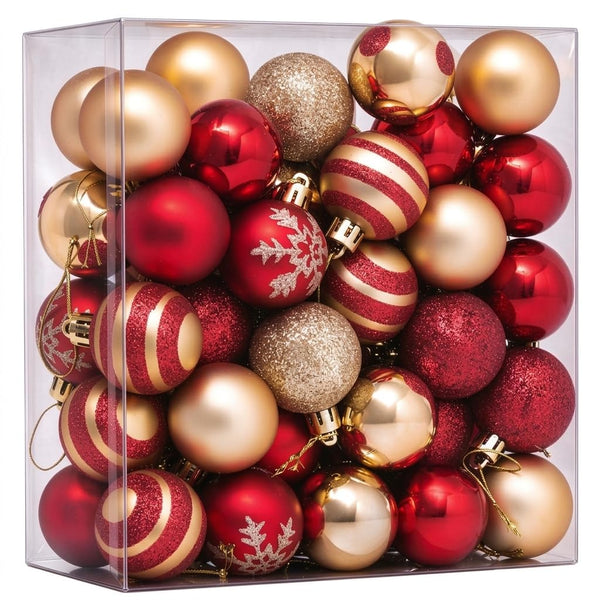
Our rule of thumb is simple: choose two main colours and one metallic finish, then let one of the three lead. The lead colour covers roughly half of what you hang, the second colour most of the rest, and the metallic is used as highlights. Three is enough to look deliberate without the tree turning into a single block of colour.
- Look at the room first. Note the colour of the walls, sofa, curtains and floor. A scheme that echoes one of them looks settled; one that clashes with a strong wall colour will fight it all month.
- Choose the lead colour. Pick the shade you are happiest to see most of, often one you already own a lot of.
- Add a second colour. A close neighbour (green with gold, pink with red) feels calm; a contrast (red with white, navy with silver) feels livelier.
- Pick one metal. Gold, silver, copper or champagne. Sticking to one keeps the look tidy.
- Decide on texture. Matt, gloss, glitter, velvet and wood in the same colours add interest without breaking the scheme.
- Test before you buy. Lay a few pieces together on a table in the evening, under the lights you will use, before ordering more.
The classic schemes compared
| Scheme | Feel | Suits | Pairs well with |
|---|---|---|---|
| Red and green | Traditional, warm | Most rooms, family homes | Gold, natural greenery, warm white lights |
| White and gold | Light, elegant | Pale walls, smaller rooms | Champagne, clear glass, cream textiles |
| Silver and blue | Cool, wintry | Grey or white rooms | White, frosted finishes, cool white lights |
| Tartan and check | Cosy, country | Wood floors, open fires, kitchens | Red, green, brass, wooden decorations |
| Pink | Playful or soft | Bedrooms, modern rooms | Rose gold, white, silver |
| Rustic and woodland | Natural, calm | Neutral rooms, beams, stone | Wood, cones, cream, muted green |
| Multicoloured | Cheerful, nostalgic | Children's rooms, busy family trees | Coloured lights, one metallic to steady it |
Suggestions, not rules. The right scheme is the one that works with your room and the decorations you already own.
The Shop by theme page gathers each of these looks in one place, so you can see whole schemes side by side before choosing.
Red and green: the traditional look
Greenery came long before baubles. English Heritage quotes a 1444 London account of every house and parish church being decked with holly, ivy, bay and whatever else the season left green. It also describes 19th-century door wreaths, known as welcome rings, that usually combined holly, ivy, pine cones and ribbons. Red and green on a modern tree echoes that look.
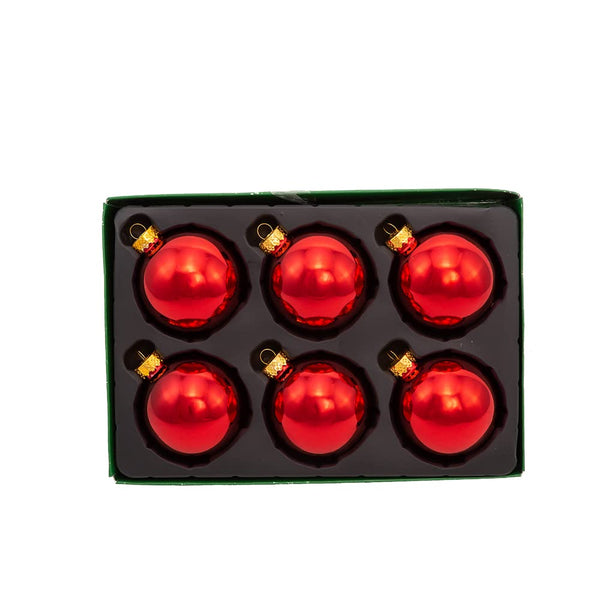
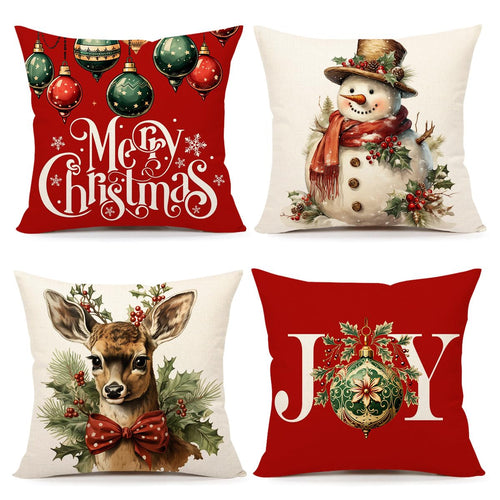
To keep red and green from looking heavy, let one colour lead. A green tree already supplies the green, so a red-led tree with gold highlights is the simplest version. Our traditional red and green decorations cover baubles, garlands and table pieces, and red tree decorations and baubles come in glass, glitter and velvet finishes for mixing textures in a single shade.
Gold, silver and white
Shine on a tree is nothing new. The V&A notes that Victorian households created a market for tree decorations in bright colours and reflective materials that would shimmer and glitter in the candlelight. Metallics still do that job, and a metallic-led scheme is the easiest to build because almost everything goes with it.
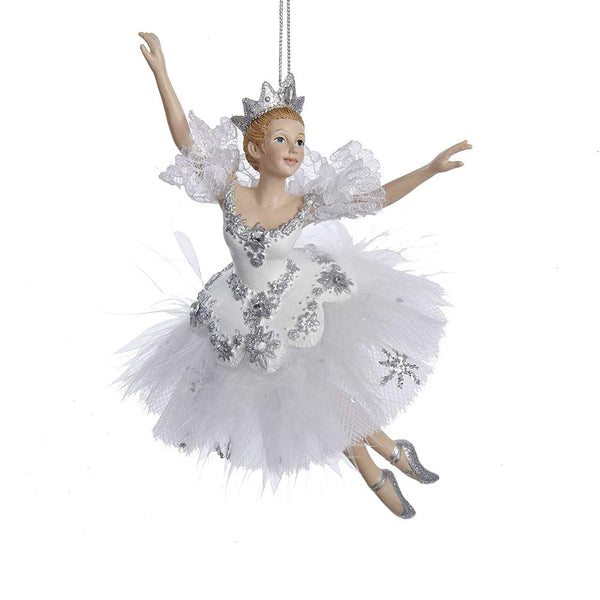
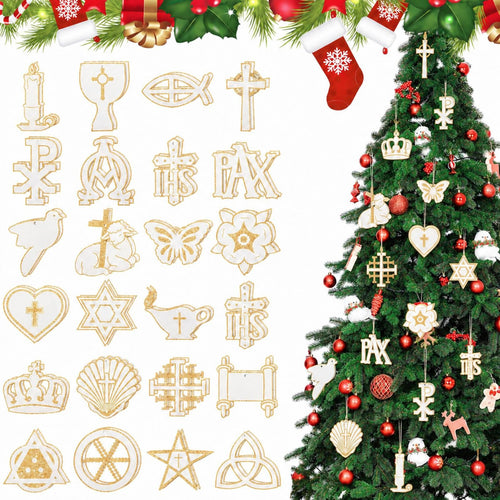
- White and gold looks light and works well on a smaller tree or against pale walls. Start with white and gold decorations and add clear or frosted glass for depth.
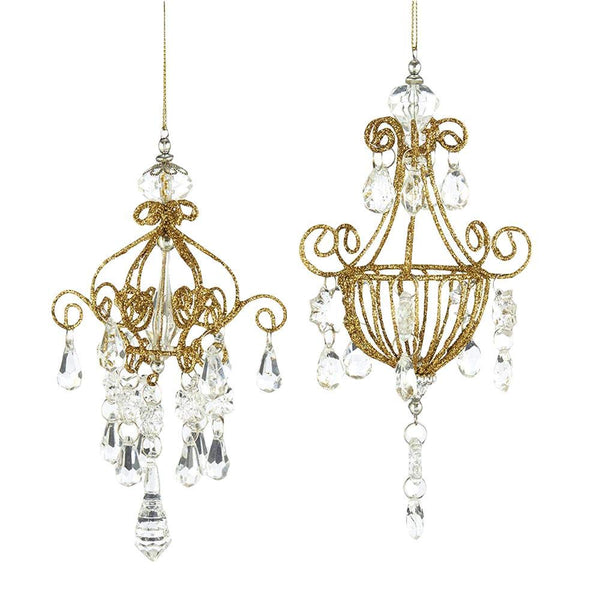
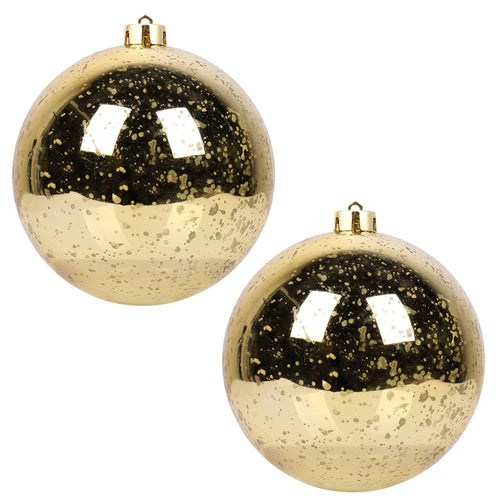
- All gold in several finishes (shiny, matt, glitter, brushed) reads as warm and rich; gold tree decorations come in all of these.
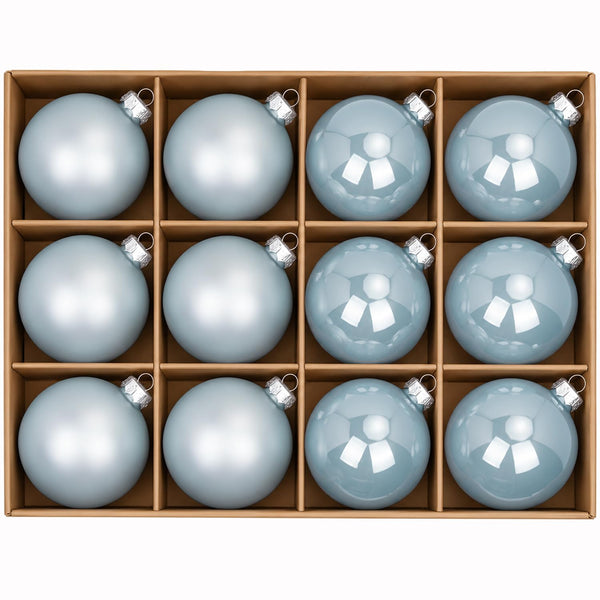
- Silver with blue or white gives a crisp, wintry tree. Mix silver baubles with blue tree decorations, and keep the lights consistent.
Light colour matters most with metallics: warm white flatters gold, while cooler light suits silver and blue. Our guide to how many lights a tree needs explains the difference between warm white, cool white and coloured sets.
Tartan, check and pink
Under the Scottish Register of Tartans Act 2008, a tartan is a design that can be woven, made of two or more alternating coloured stripes that combine vertically and horizontally into a repeated chequered pattern. That pattern does a lot of work in a room: one tartan ribbon or cushion can carry three or four colours at once and tie a scheme together.
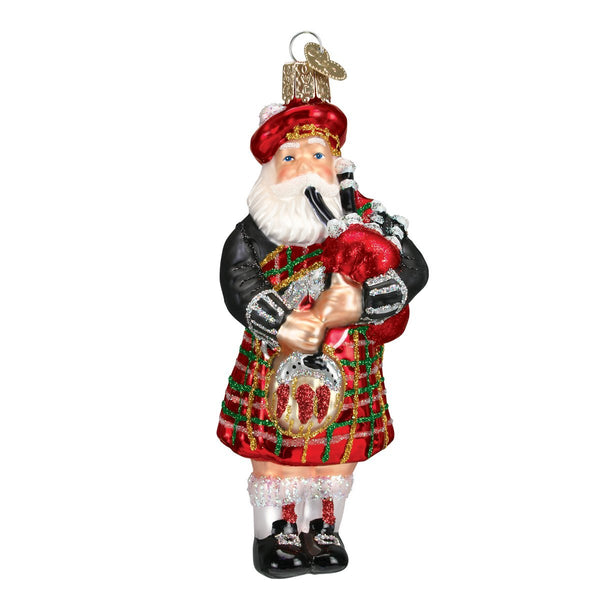
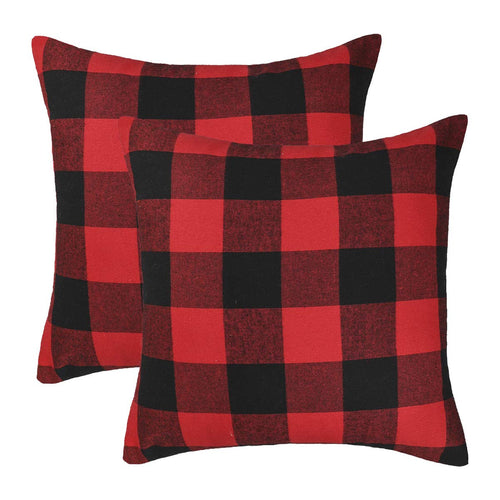
Use pattern sparingly on the tree itself, then repeat it elsewhere. Tartan bows on the branches, a check runner on the table and a plain red or green bauble to calm it all down is usually enough. Our tartan and check decorations include bows, ribbon, stockings and cushions.
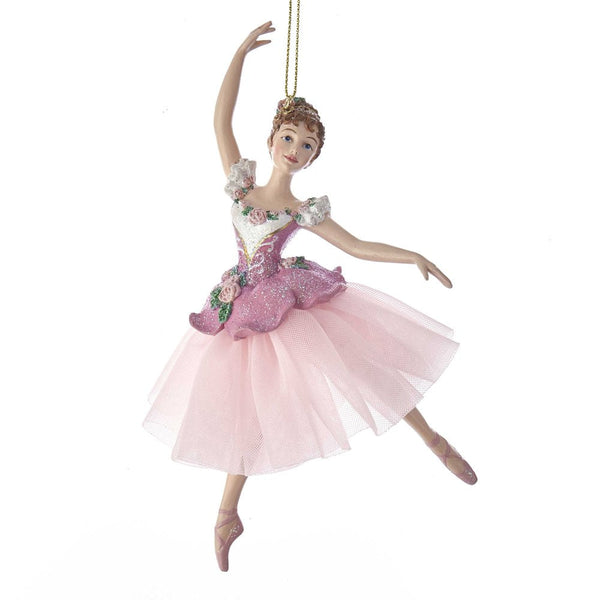
Pink has moved well beyond novelty. Blush, rose and dusky pink sit happily with white and silver or with rose gold, while brighter pinks look cheerful alongside red. Browse pink Christmas decorations for baubles, garlands and table pieces in several shades.
Rustic and woodland
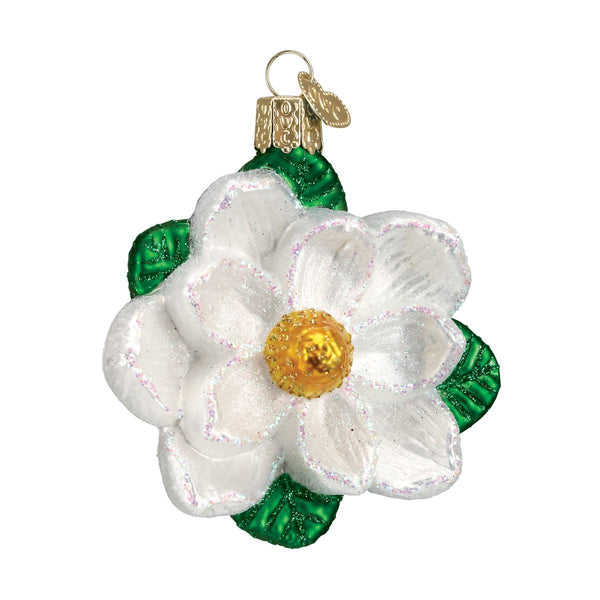
A natural scheme relies on texture more than colour: wood, felt, cones, berries and soft greens and creams. It is forgiving, because almost any natural material fits, and it lasts well beyond Christmas Day as a winter look. Our rustic and woodland decorations and wooden Christmas decorations are a good base. Add one accent colour, such as deep red berries or a little brass, so the tree does not look unfinished.
Carrying the scheme through the room and onto the table
A scheme feels complete when it shows up in three or four places, not just on the tree. Repeat the lead colour on the front door or mantel, in one or two cushions or throws, and on the table. You do not need everything to match: echo one colour and the metallic, and the rest can be neutral.
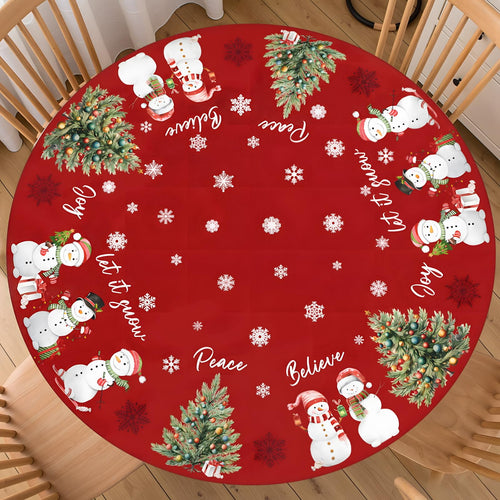
For the table, start with the cloth or runner and build up. Christmas tablecloths and runners set the base colour; napkins, candles and table decorations add the accent. Our guide on how to set a Christmas table covers place settings, spacing and centrepieces.
Working with what you already own
Before buying anything, empty the boxes and sort every bauble into colour groups on the floor. Most collections divide naturally into two or three families. Pick the biggest group as your lead colour, then fill gaps with a matching set rather than many single pieces. Anything that does not fit can go on a second, smaller tree in a kitchen or bedroom with a looser scheme.
Our guide to decorating a tree explains how many decorations a tree takes and how to space colours evenly. When January comes, pack by colour family so next year's scheme is ready to go; our storage guide covers the boxes and wrapping.
Common questions
How many colours should a Christmas tree have?
As a rule of thumb, two main colours plus one metallic finish. That is enough variety to look interesting and few enough to look planned. A multicoloured tree works too, but one metallic running through it keeps it from looking random.
Can I mix gold and silver on the same tree?
Yes, if you do it on purpose. Let one metal lead and use the other in small amounts, or bridge them with champagne, white or clear glass. Spread both evenly round the tree so neither looks like an afterthought.
What colour scheme suits a small room?
Lighter schemes such as white and gold, or silver and white, tend to keep a small room feeling open. Strong reds and tartans work too, but keep them to the tree and one or two accents so the room does not feel crowded.
Should the Christmas table match the tree?
It does not have to match, but repeating one colour and the metallic finish links the two rooms. A neutral cloth with napkins or candles in the tree's lead colour is often enough. See our table decorations for ideas.
Shop the guide
- Traditional Red & Green Christmas Decorations
- Red Christmas Tree Decorations & Baubles
- White & Gold Christmas Decorations
- Gold Christmas Tree Decorations & Baubles
- Silver Christmas Tree Decorations & Baubles
- Blue Christmas Tree Decorations & Baubles
UK delivery is free on every order, and so are returns within 30 days. See Christmas delivery dates and Returns & refunds for the details.